VALEDA light delivery system
Valeda Light Therapy for Dry Macular Degeneration
A New Option for Dry AMD
For years, patients with dry age-related macular degeneration (AMD) had limited treatment options. Austin Eye Center is proud to offer the Valeda® Light Delivery System, an innovative, non-invasive treatment that uses photobiomodulation (PBM) technology to help improve visual function in eligible patients with dry AMD. Valeda is the first and only FDA-authorized photobiomodulation device developed specifically for ophthalmic use.
Unlike injections or surgery, Valeda therapy uses carefully controlled wavelengths of light to stimulate retinal cells and support their function.
What is Dry Macular Degeneration?
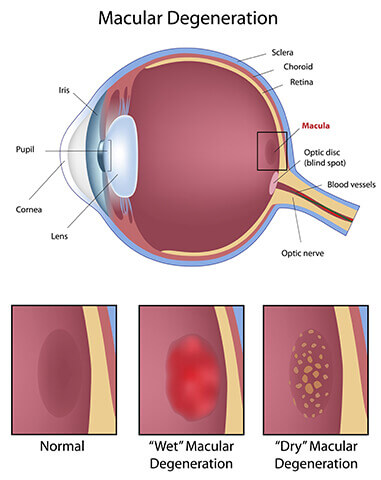
Age-related macular degeneration affects the macula, the central portion of the retina responsible for detailed vision. As the disease progresses, patients may experience:
- Blurred central vision
- Difficulty reading
- Trouble recognizing faces
- Reduced contrast sensitivity
- Challenges with driving and daily activities
How Does Valeda Light Therapy Work?
Valeda uses photobiomodulation technology, delivering specific wavelengths of yellow, red, and near-infrared light to retinal tissues. These wavelengths are designed to support cellular energy production and retinal health.
The treatment is:
✔ Non-invasive
✔ Painless
✔ Drug-free
✔ Performed in the office
✔ No injections or surgery required
Clinical studies have demonstrated improvements in visual acuity and visual function in appropriately selected patients.
Benefits of Valeda Therapy
Improve Visual Function
May improve visual acuity in eligible patients.
Non-Invasive Treatment
No needles, injections, or surgery.
Quick Office Visits
Patients can return to normal activities immediately after treatment.
Am I a Candidate for Valeda?
You may be a candidate if you have:
- Early to intermediate dry AMD
- Specific retinal findings such as drusen
- Vision within qualifying treatment ranges
- No evidence of active wet AMD
A comprehensive retinal examination and imaging evaluation are necessary to determine eligibility.
Expert Retina Care in Austin
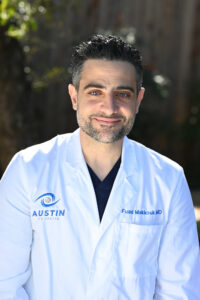
Fuad Makkouk, M.D. is a Yale fellowship-trained retinal surgeon dedicated to providing the most advanced treatments available for retinal disease. At Austin Eye Center, patients receive personalized care in a boutique setting with access to leading-edge diagnostic and treatment technologies.
Frequently Asked Questions
Coverage varies by insurance plan. Our team can help verify your benefits and discuss available payment options.
No. Most patients find the treatment comfortable and painless.
No treatment currently cures dry AMD. Valeda is designed to improve visual function and support retinal health in eligible patients.
Many patients continue other recommended treatments and monitoring plans. Dr. Makkouk will provide individualized recommendations.
Learn Whether Valeda is Right for You
If you have been diagnosed with dry macular degeneration, schedule a consultation with Austin Eye Center to determine whether Valeda Light Therapy may be an option.
WHAT WE OFFER
Our Services

Macular Degeneration & AMD
Age-related macular degeneration damages cells in the macula, the part of the retina responsible for sharp, central vision.
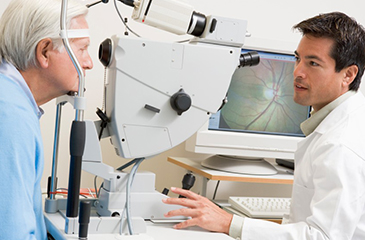
Diabetic Retinopathy
Diabetes can damage the blood vessels in the retina, a condition called Diabetic Retinopathy that may lead to vision loss if left untreated.
Eye Exams
The Retina
Your retina is a thin layer of light-sensitive cells lining the back of the eye, working much like film in a camera.

Retinal Detachment
Retinal detachment occurs when this light-sensitive layer pulls away from the back of the eye, a sight-threatening emergency that needs prompt treatment.
Floaters
Floaters are very common, and most adults notice them at some point in their lives — though they can occasionally signal a more serious issue.