
Epiretinal Membrane

An epiretinal membrane is a growth of scar tissue on top of the retina, also called macular pucker. As a result, it can distort vision and make straight lines appear wavy. Dr. Fuad Makkouk is an MD trained in cutting-edge surgical retina techniques at Yale University. Additionally, he uses the newest surgical methods to treat epiretinal membranes. Therefore, if you have an epiretinal membrane or notice wavy vision, schedule an appointment at Austin Eye Center today.
Epiretinal Membrane
Specifically, an epiretinal membrane is a growth of scar tissue over the center of the retina, called the macula. As this scar tissue contracts, it causes wrinkling in the retina, a condition also known as macular pucker.
Epiretinal Membrane Symptoms
Macular puckering, also known as cellophane retinopathy, can distort vision, causing blurriness, waves, or missing areas of vision. Furthermore, these changes can range from mild to severe and, in many cases, tend to worsen over time.
Epiretinal Membrane Evaluation
Epiretinal Membrane Causes
Although there’s no single known cause of epiretinal membranes, several risk factors can increase the likelihood of developing one. For example, these include age, prior eye trauma, a history of retinal tear or detachment, or diabetic retinopathy.
Epiretinal Membrane Treatment
Generally, mild cases may only require regular monitoring. However, in more severe cases, surgical intervention such as vitrectomy may be needed to remove the epiretinal membrane. Because surgery can feel intimidating, Dr. Makkouk and the team take the time to discuss every option. Consequently, patients feel more comfortable moving forward. Above all, don’t take a risk with your vision — schedule an appointment today with Fuad Makkouk, MD, a surgically trained retina specialist from Yale University.
WHAT WE OFFER
Our Services

Macular Degeneration & AMD
Age-related macular degeneration damages cells in the macula, the part of the retina responsible for sharp, central vision.

Valeda Light Therapy
Valeda is the first FDA-authorized light therapy shown to improve vision in patients with dry age-related macular degeneration.
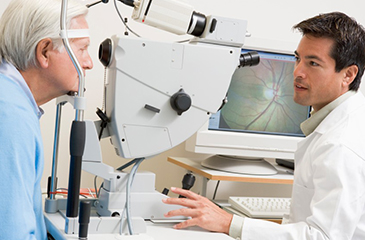
Diabetic Retinopathy
Diabetes can damage the blood vessels in the retina, a condition called Diabetic Retinopathy that may lead to vision loss if left untreated.
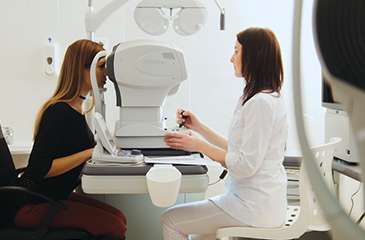
The Retina
Your retina is a thin layer of light-sensitive cells lining the back of the eye, working much like film in a camera.

Retinal Detachment
Retinal detachment occurs when this light-sensitive layer pulls away from the back of the eye, a sight-threatening emergency that needs prompt treatment.
Floaters
Floaters are very common, and most adults notice them at some point in their lives — though they can occasionally signal a more serious issue.